


Static Strength Verification
Safety that is proven to last. Static strength verification shows early on whether your component can withstand mechanical loads – transparent, standards-compliant, and cost-effective.
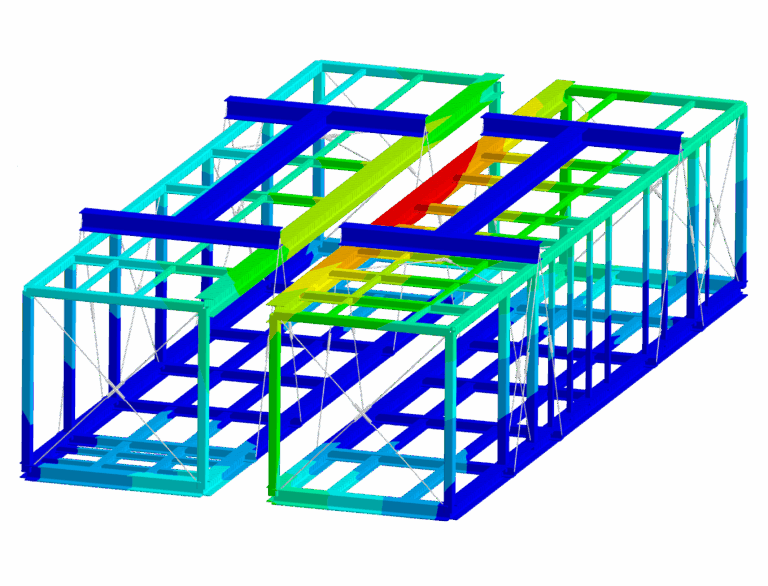
Reliable Assessments of Your Components
Static safety from the very beginning
A static strength verification is a method in engineering, particularly in mechanical engineering and civil engineering, used to verify the load-bearing capacity and safety of a structure or component under static loading. Static loads are forces or moments that act on a component constantly or change only slowly, as opposed to dynamic or alternating loads.
The static strength calculation ensures that your component can withstand the forces acting on it without unacceptable plastic deformation or fracture. This is ensured by calculations that determine the maximum stresses and deformations in the component and compare them with the permissible limit values.
Our Service Portfolio
static strength verifications – load- and standards-compliant
As an engineering office for static strength calculations, we assess the load-bearing capacity of your components in a standards-compliant and reliable manner. Based on FEA analyses, we identify weak points or optimization potential at an early stage and ensure compliance with relevant guidelines – efficiently and precisely.
 Learn more
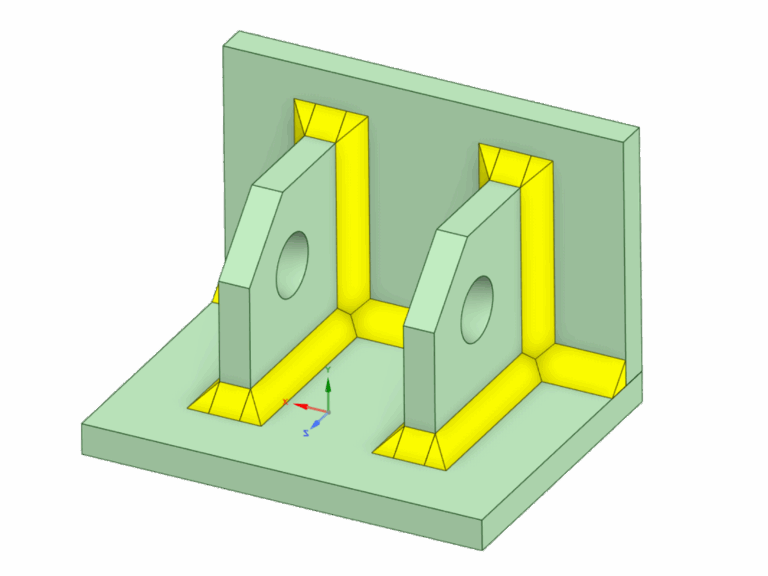
Weld Calculation
Load-compliant design of weld seams for static and cyclic stress.
 Learn more
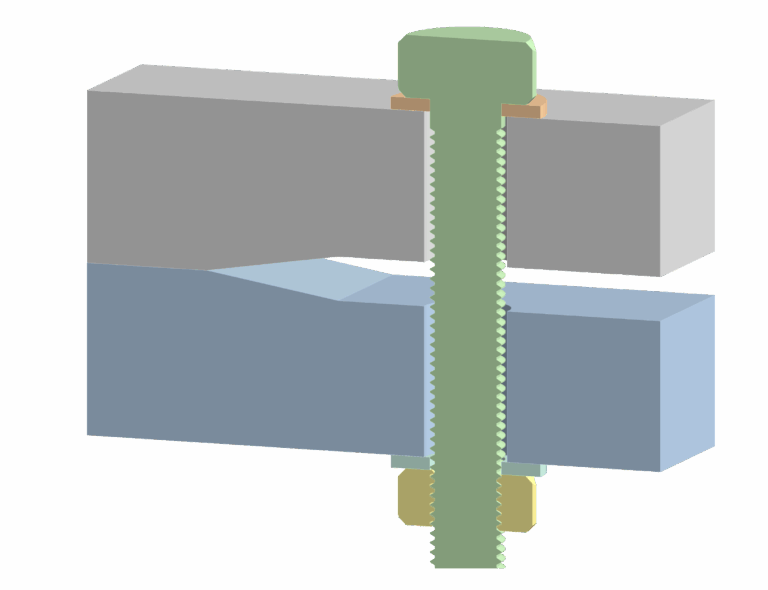
Bolt Calculation
Bolt verifications check the load-bearing capacity of preloaded and non-preloaded joints—depending on the type of loading.

Component optimization
Increased competitiveness through targeted and effective component optimizations, such as material usage.

Static strength verifications are essential when…
Your Safety – Our Responsibility
the function needs to be ensured even before deployment – for greater safety and planning reliability.
a strength verification is mandatory – e.g., for CE documentation or approval procedures.
weak points need to be identified early – even before the first physical prototypes are built.
development needs to be faster and more cost-efficient – with targeted simulations.
component behavior under load is crucial – focusing on stresses and deformations.

Benefits of static strength verifications
Measurable value. Verifiable quality.
With virtual simulations and well-founded calculations, we support you in developing products faster, safer, and more economically. Our claim: reliable results you can count on.
Prevention of Component Failure
A static strength verification can ensure that the component withstands the applied loads. This protects people and property.
Dimensioning of Components
We determine the required dimensions and material properties to ensure a safe and robust component.
Optimization of Designs
The results can be used to optimize the design. This reduces costs and can improve the availability of semi-finished products.
Our expertise for your project
We look forward to your inquiry!
As a specialized engineering office for FEA calculations and simulations, we provide you with sound technical support in preparing standards-compliant strength verifications for your components in accordance with common codes and standards for static loads.
Do you have questions, need an assessment, or want to get started right away?
We look forward to hearing from you—by phone, email, or in person.
Your contact: Jonas Compart
elbcore engineers GmbH
Lerchenstraße 28a
22767 Hamburg

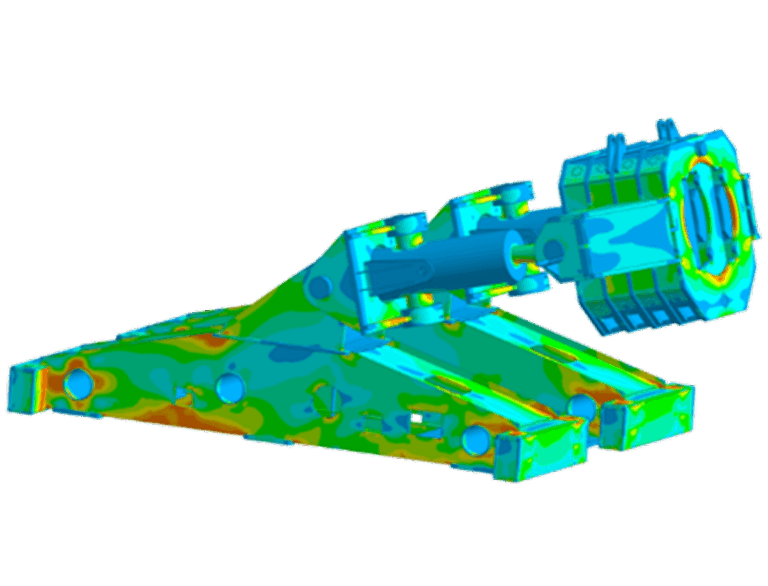
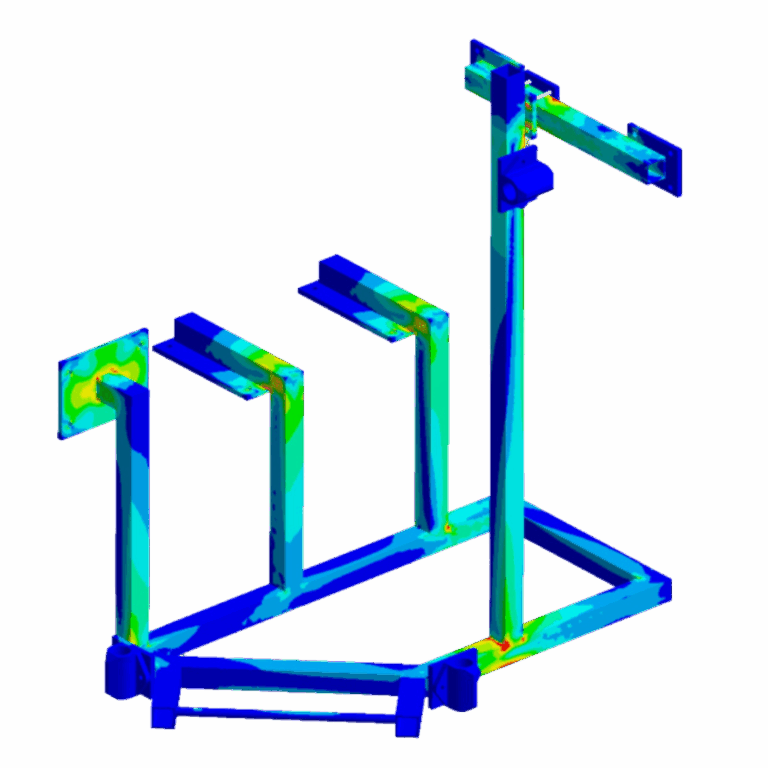
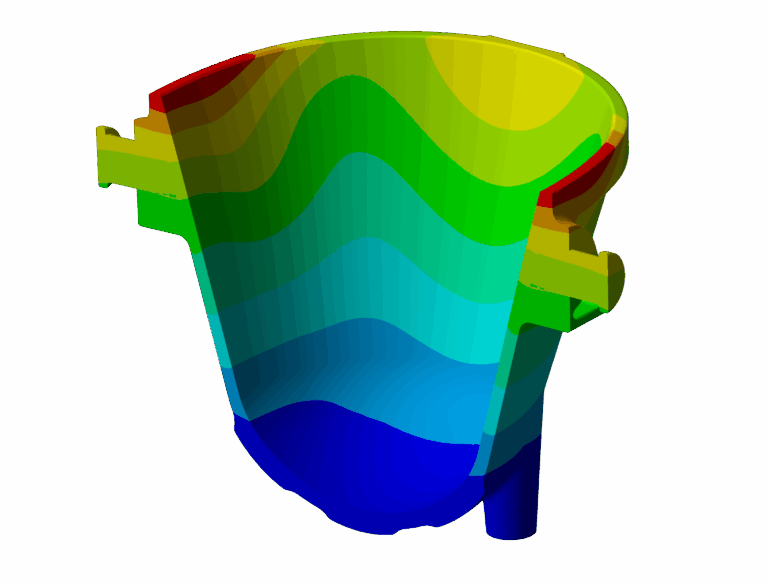
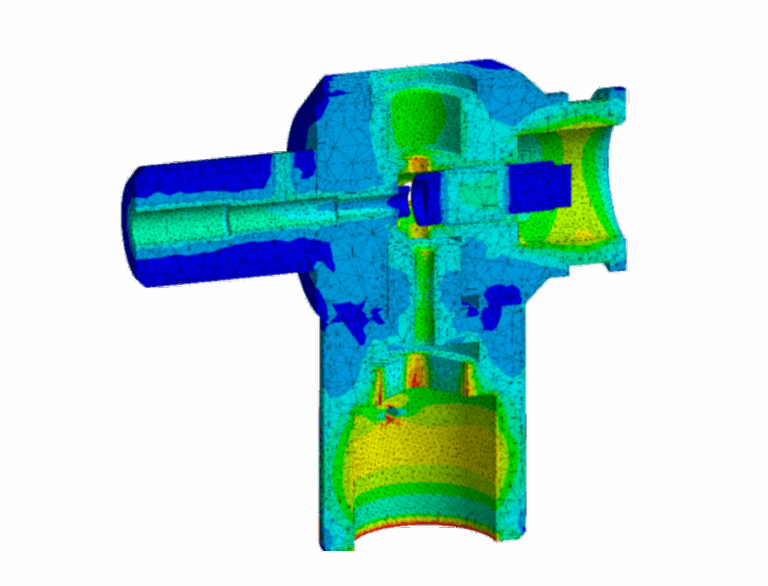
An excerpt from our reference projects
From practice
Do you have an exciting project?
Tell us about it.
Book a consultation now or send us a project enquiry.
Frequently Asked Questions (FAQ)
Fast answers. Clear solutions.
Which guidelines and standards can be covered?
We prepare static strength verification according to common guidelines such as Eurocode 3 (DIN EN 1993), the FKM guideline, or the VDI 2230 guideline for bolts. Additionally, we can cover various standards for the design of pressure vessels, such as AD-2000, DIN EN 13445, and also the ASME Code. If your specific guideline is not listed here, please feel free to contact us!
At which development stage is a strength verification useful?
As early as the initial design phases, as this allows weak points to be identified early and later changes to be avoided – before real prototypes are built. You also benefit from our engineers’ many years of experience.
Can existing designs also be assessed?
Yes, a subsequent assessment of load-bearing capacity is also possible for components that already exist or are in service – e.g., in the case of modifications or if CE certification is to be obtained retrospectively.
What is the difference between a static and a cyclic strength verification?
The static verification assesses load-bearing capacity under a one-time or steady load. The cyclic (fatigue verification) evaluates behavior under repeated loading over time.
Do you still have questions? We are here to help.
Contact us now