


Fatigue Strength Assessment
Fatigue strength assessment identifies early on whether your component remains failure-free even under cyclic loading – reliably, in compliance with standards, and economically.
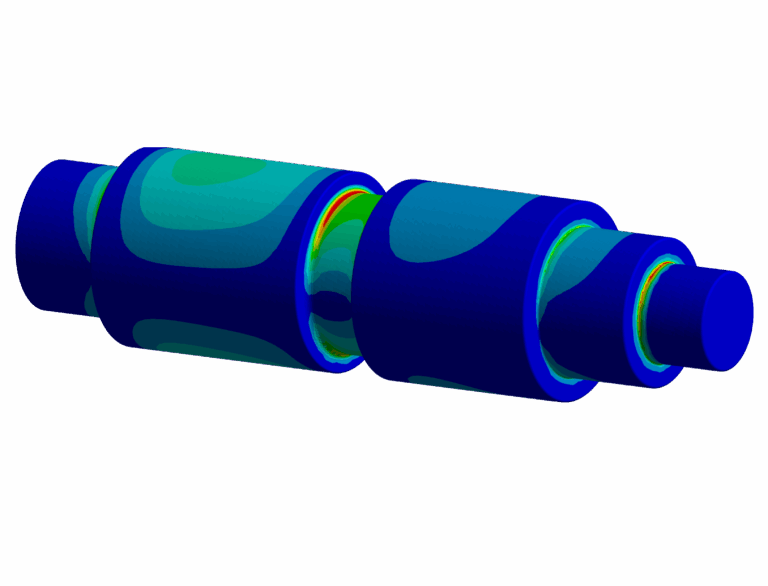
Lasting Safety for Your Designs
Detect Fatigue. Prevent Failures.
A fatigue strength assessment is a central procedure in mechanical engineering, automotive engineering, and other industries to evaluate the lifespan and operational safety of components under cyclic or alternating loads. Such dynamic loads arise from recurring forces or moments, such as rotation, vibration, or pressure impulses, and can lead to crack formation and failure in the long term.
Fatigue strength calculation shows how many load cycles a component can withstand without damage. For this purpose, stresses, notches, and material properties are analyzed and evaluated using standard-compliant methods such as the FKM guideline or based on experimental Wöhler curves. The goal is to identify potential weaknesses early and to prove the operational strength of your design.
Our Services
Fatigue Strength Assessments - Lastingly Safe
With fatigue strength assessments, we evaluate the endurance strength of your components in a standard-compliant and reliable manner. Based on FEA analyses, you can identify critical areas under alternating loads early and ensure compliance with relevant guidelines – efficiently and precisely.
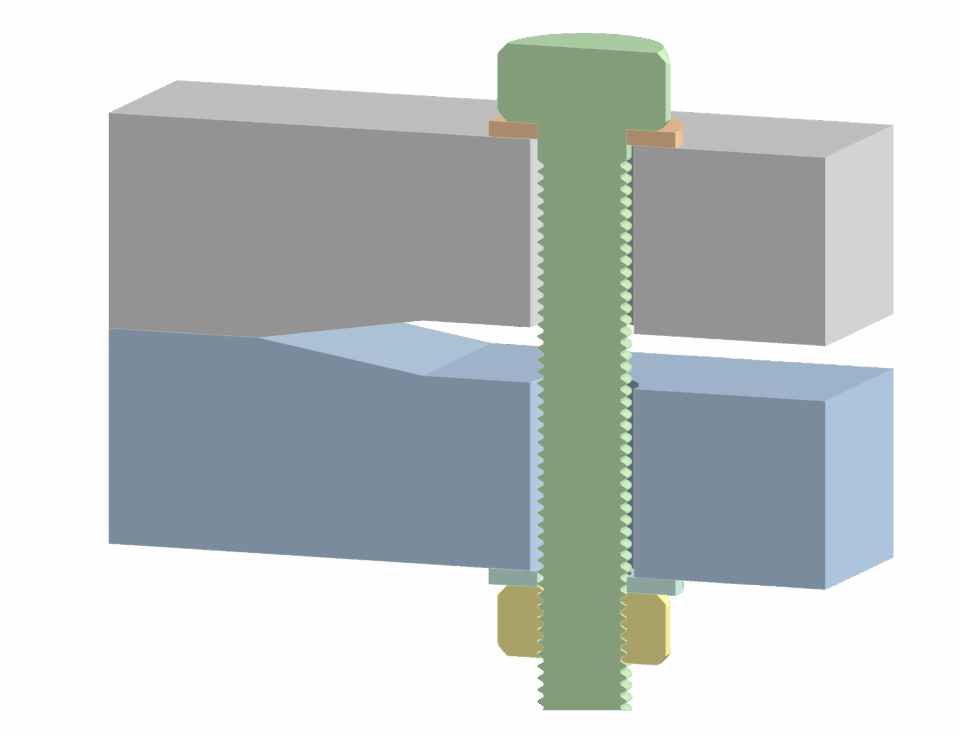
Bolted Joint Analysis
Bolt verification checks the load-bearing capacity of prestressed and non-prestressed connections – depending on the type of load.
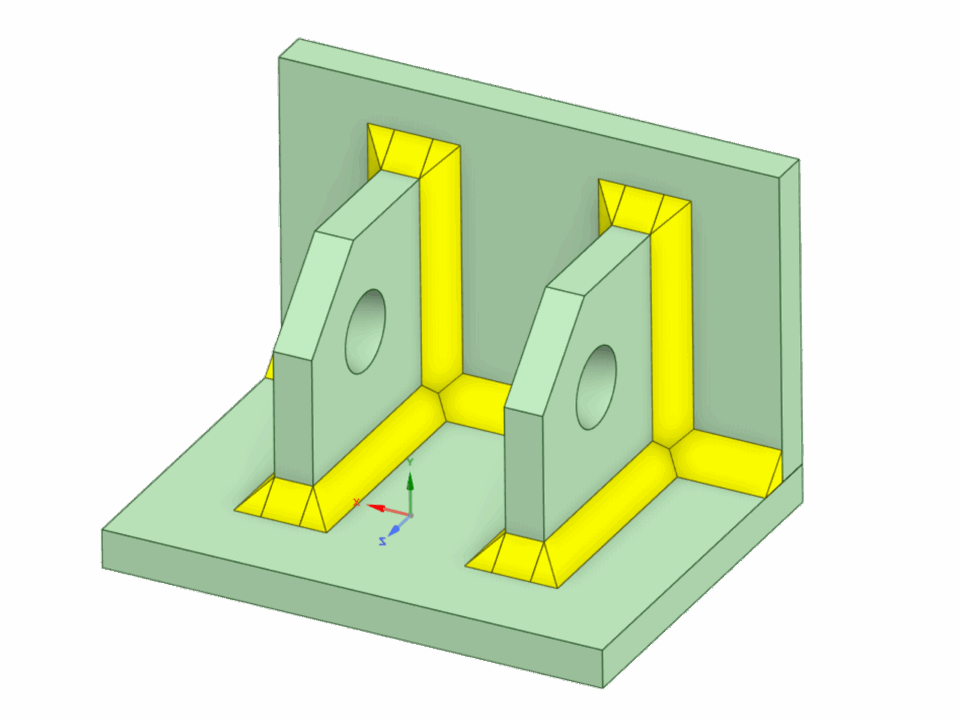
Weld Strength Analysis
Load-appropriate design of weld seams for static and cyclic loading.

Component optimization
Increased competitiveness through targeted and effective component optimizations, e.g., material usage.
Fatigue strength assessments are essential when…
Your Safety – Our Responsibility
it is known that loads are cyclic and there is high alternating stress on the structure.
the cyclically loaded plant or machine has welds in the force flow, as these are typically the weak points.
load-related cracking or failure under real operating conditions is to be prevented.
optimization potentials for material usage or geometry are to be specifically utilized.
component behavior under load is crucial – focusing on stresses and deformations.
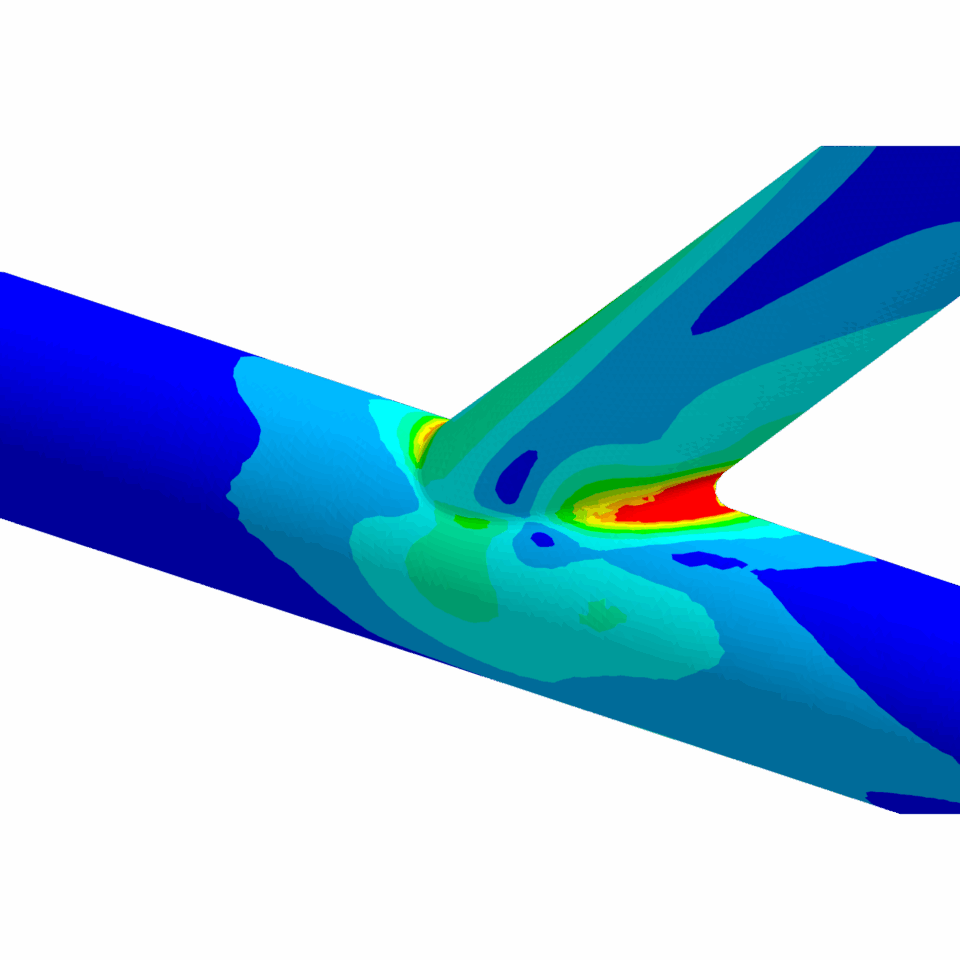
Benefits of a Component Strength Analysis
Measurable Benefits. Demonstrable Quality.
With virtual simulations and well-founded calculations, we support you in developing products faster, safer, and more economically. Our aspiration: reliable results you can count on.
Prevention of Component Failure
With a fatigue strength assessment, it can be ensured that the component withstands the applied loads. This protects people and assets.
Dimensioning of Components
We determine the required dimensions and material properties to ensure a safe and resilient component. Especially with cyclic loads, a prior estimation is very difficult.
Optimization of Designs
Especially in terms of fatigue strength, clever optimization can significantly increase the permissible number of cycles, thereby improving the longevity of your components.
Our Expertise for Your Project
We look forward to your inquiry!
As a specialized engineering firm for FEA calculations and simulations, we offer you well-founded technical support in creating standard-compliant strength assessments for your components according to common regulations. We possess high expertise, especially in the field of fatigue strength!
Do you have questions, need an assessment, or want to start directly?
We look forward to your message – by phone, email, or in person.
Your Contact Person: Jonas Compart
elbcore engineers GmbH
Lerchenstraße 28a
22767 Hamburg

An excerpt from our reference projects
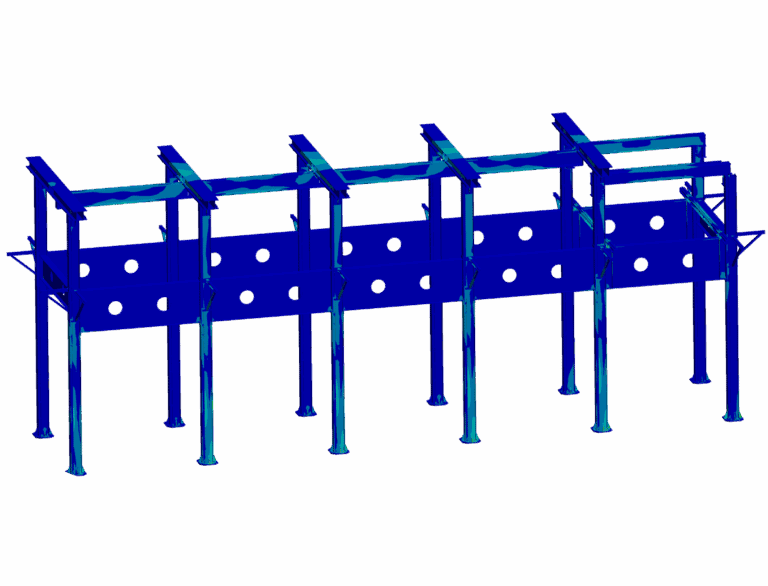
FEA Analyses IN PRACTICE
Do you have an exciting project?
Tell us about it.
Arrange a consultation now or send us a project inquiry.
Frequently Asked Questions (FAQ)
Quick Answers. Clear Solutions.
Here you will find answers to the most common questions about our services.
Which guidelines and standards can be applied for fatigue assessment?
We perform fatigue assessments according to the FKM guideline, VDI 2230, EN 1993, and other industry-specific standards, among others. Customer-specific requirements or international standards (e.g., ASME, DNV) can also be taken into account. Please contact us if your standard is not listed!
At what stage is a fatigue assessment useful?
A fatigue assessment is particularly important for safety-critical components that are dynamically loaded over a longer period. Already in the design phase, it helps to identify critical areas and avoid costly changes or failures later on.
Can existing components also be evaluated for fatigue?
Yes, subsequent fatigue evaluations are also possible – for example, as part of lifetime analyses, modification measures, or when inspecting existing older systems. We analyze the current condition and the remaining lifetime potential for you.
What is the difference between a static and a fatigue assessment?
While static assessment checks strength under a single or constant load, fatigue assessment evaluates behavior under cyclic, i.e., repeated, stress – typically over millions of load cycles. It is essential for components exposed to vibrations, alternating loads, or operational loads.
How much does a fatigue assessment cost and how long does it take?
This depends on the component, the complexity of the load, and the available information. In many cases, however, we can provide you with a concrete offer after a brief preliminary discussion. Feel free to arrange a free and non-binding consultation!
Do you still have open questions? We are here for you.
Contact us now